


Good to the Last Mile
Solving the problem of rural distribution in the developing world starts with following the time-honored model of local traders.
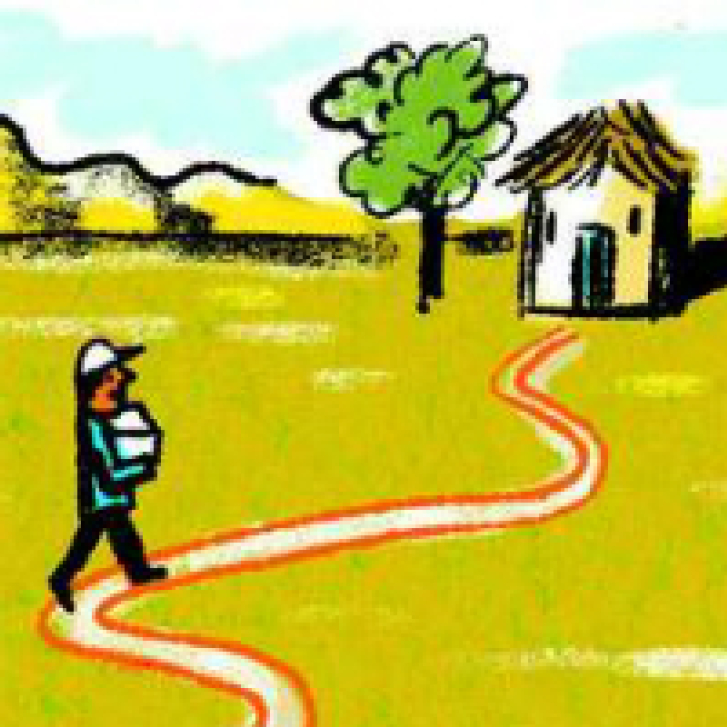
Solving the problem of rural distribution in the developing world starts with following the time-honored model of local traders.

Disapproval of welfare recipients who use their benefits to buy “ethical” but costly items is widespread.

Contrary to conventional economic wisdom, relying solely on carbon taxes will not create an optimal transition to clean energy.
We should care about who is able to control and distribute data, but information is more than just a commodity.
Rose’s bold theory, which offers a new framework for urban planning, could benefit from equally comprehensive recommendations about how to implement it.
A new book makes a strong case for connecting healthcare to neighborhoods, but it could focus more on the role of race and ethnicity.
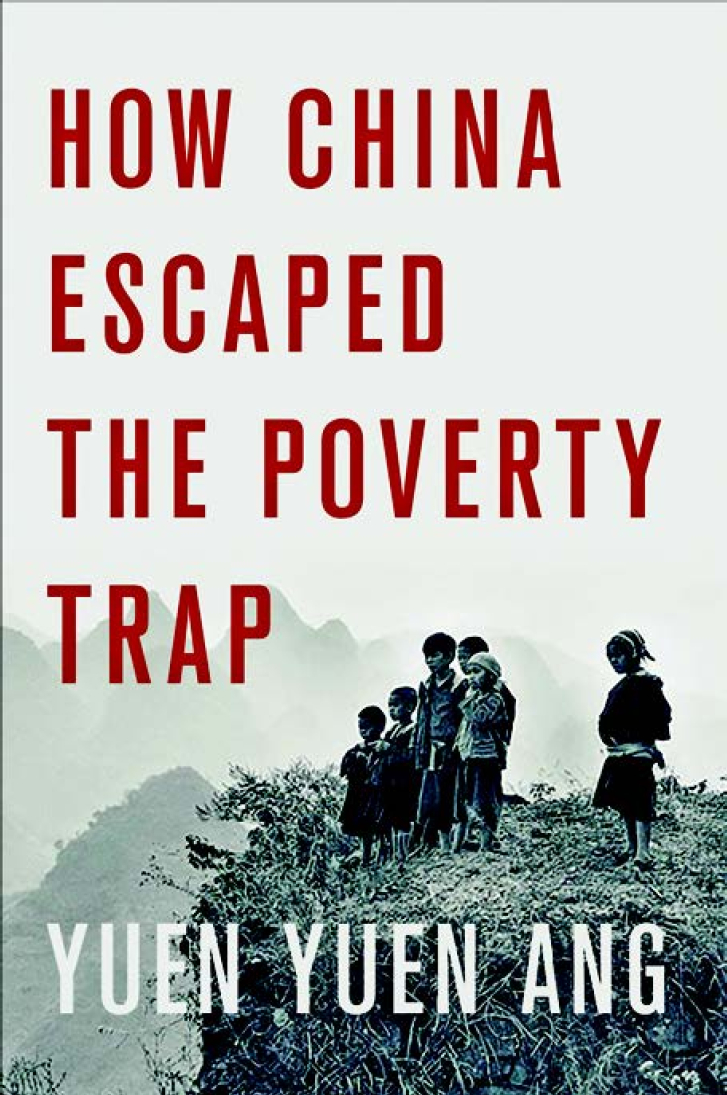
It can be tempting to overgeneralize about patterns in China’s economic development—even for scholars who acknowledge the country’s great diversity.
Detroit has become a source of inspiration and solutions for other challenged American cities and even other municipalities looking for innovative new models of urban governance.
Detroit’s experiences hint at a model where philanthropy and business routinely supplement and complement government.

Foundations aspiring to make a difference in challenged cities have much to offer beyond grantmaking—if they are willing to embrace new roles that may fall well outside their comfort zones.